After disembarking from the ferry from K’gari, our next destination on our Central Queensland road trip was Cape Hillsborough. This leg of the journey demanded an exhausting 8-hour drive. To preserve our sanity and avoid spending an entire day in the car, we devised a plan to split the drive over two days, with the first leg happening right after our afternoon ferry ride.
Exiting Hervey Bay, the Bruce Highway appeared rather uneventful, offering little to captivate the eager tourists within us. The initial hours of driving, soon to transition into the evening, raised our concerns about wildlife encounters on the road. Fortunately, the presence of numerous other vehicles and substantial traffic, including large trucks, helped us reach Gladstone safely.
Upon leaving Gladstone, we made a pit stop at Rockhampton, the last major city before reaching Cape Hillsborough. Here, we stocked up on all the supplies required for our two-day camping adventure, fully aware that the area lacked extensive amenities. We then continued the remaining 5-hour drive to the Cape. While this portion of our journey proved to be the slowest, we knew it was worth the drive upon our arrival at the campsite.
The setup of the campground was quite interesting as it was the only developed land in the surrounding area. It offered a stunning beachfront location. We were lucky to secure a private tent spot, set apart from the more exposed trailer and caravan sites. Our evening was spent strolling along the beach, taking in the beauty of the trees, the ocean, the tides, and the remarkable volcanic rock formations lining the shoreline.
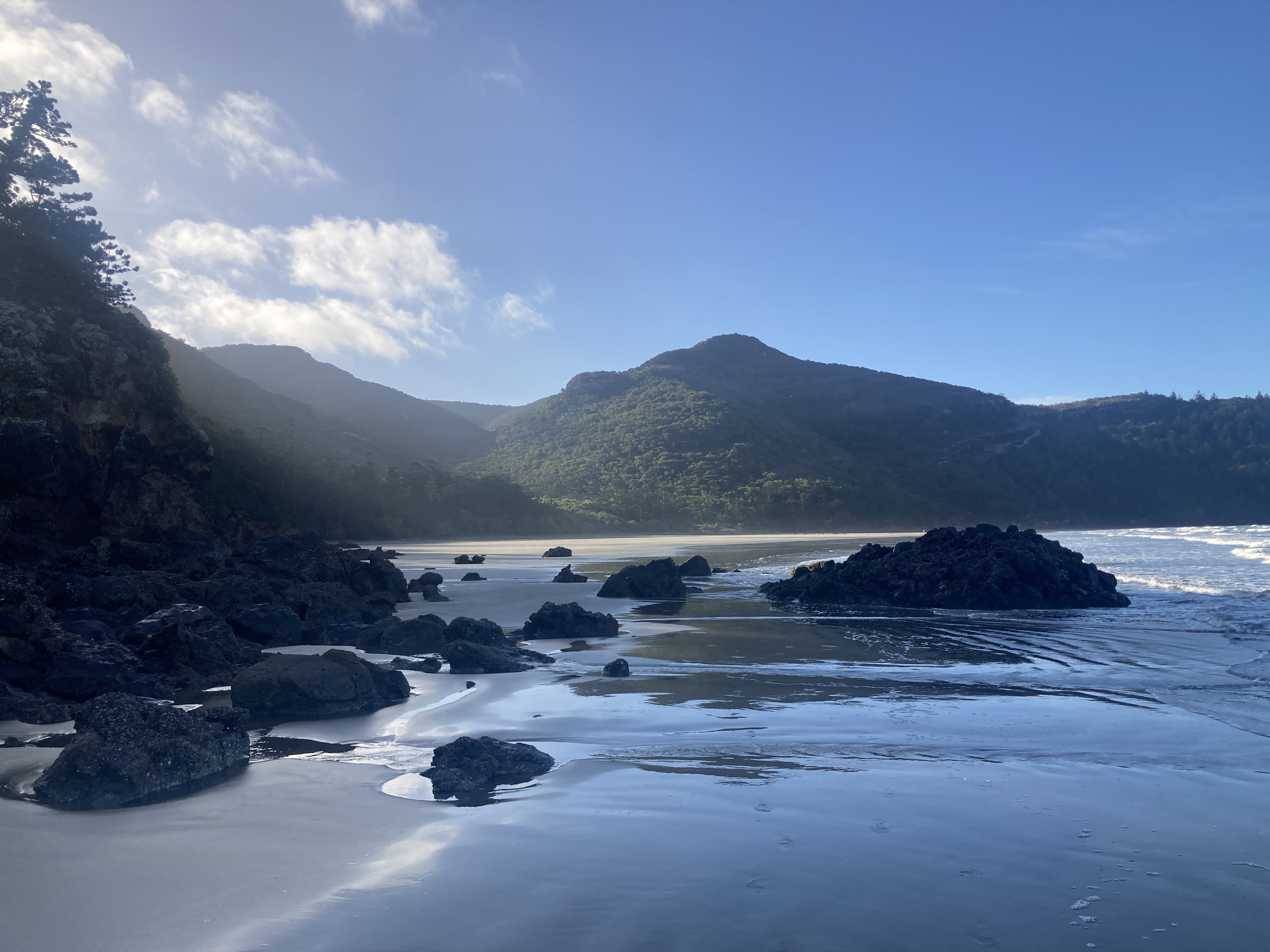
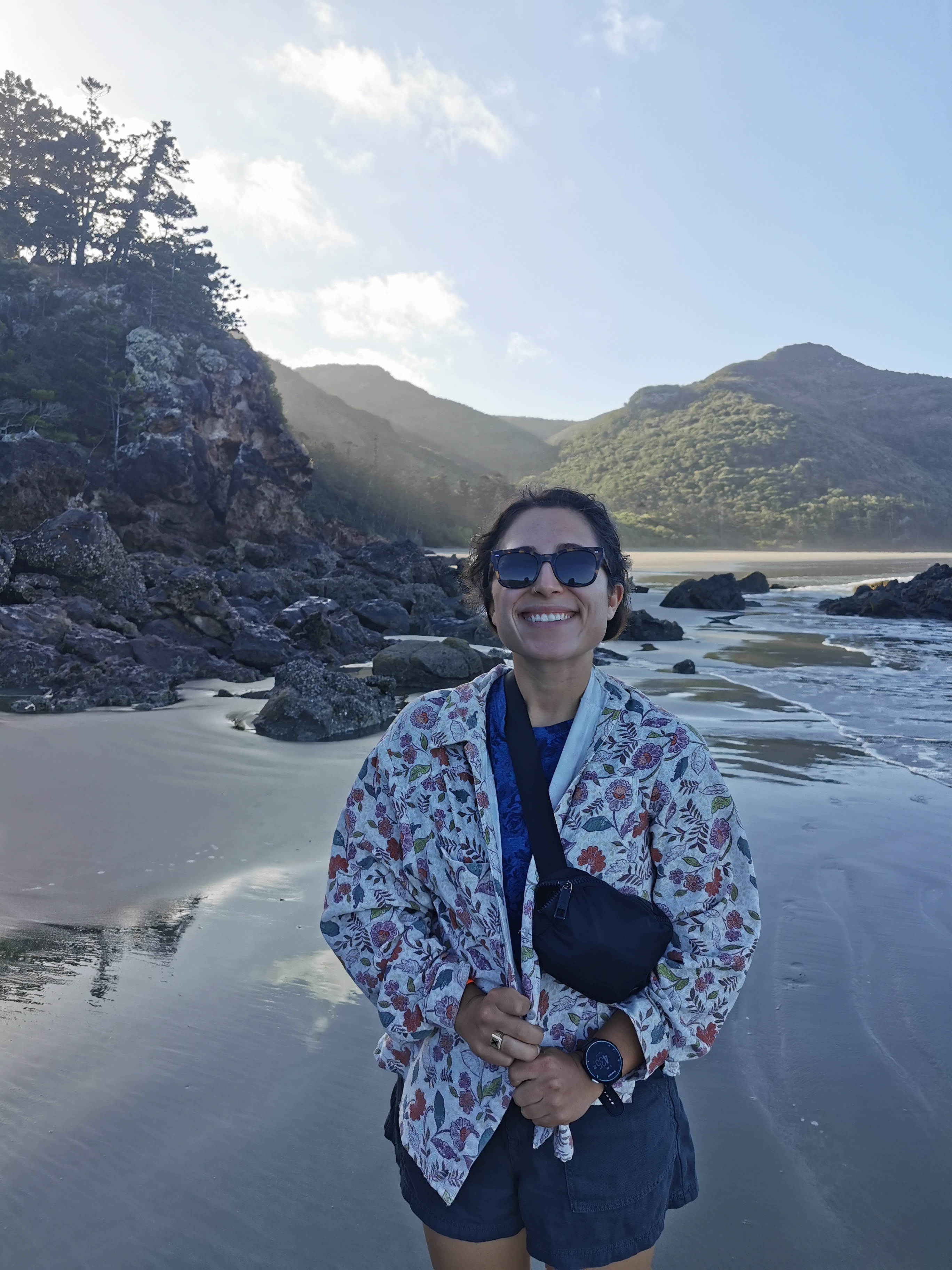
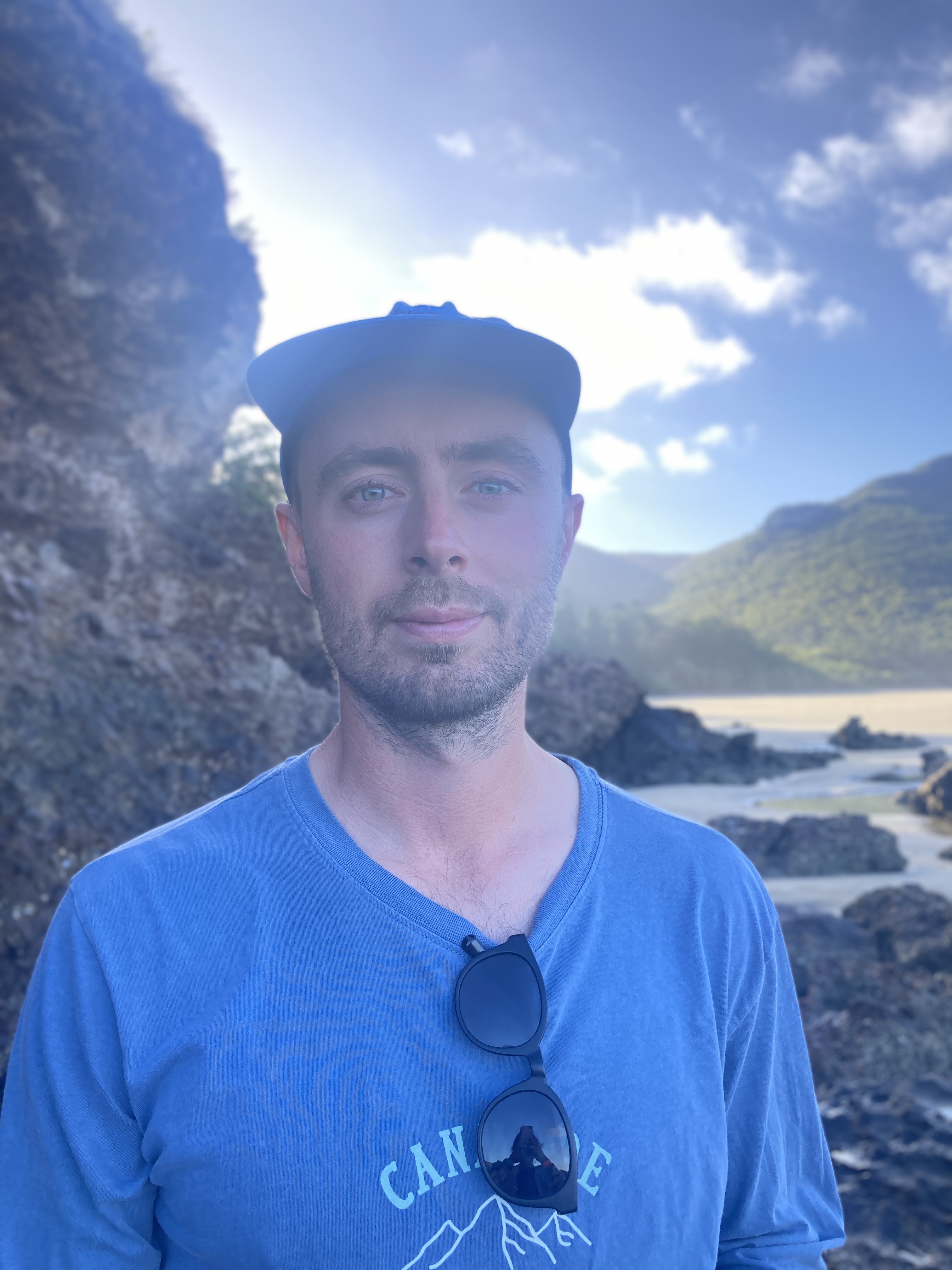
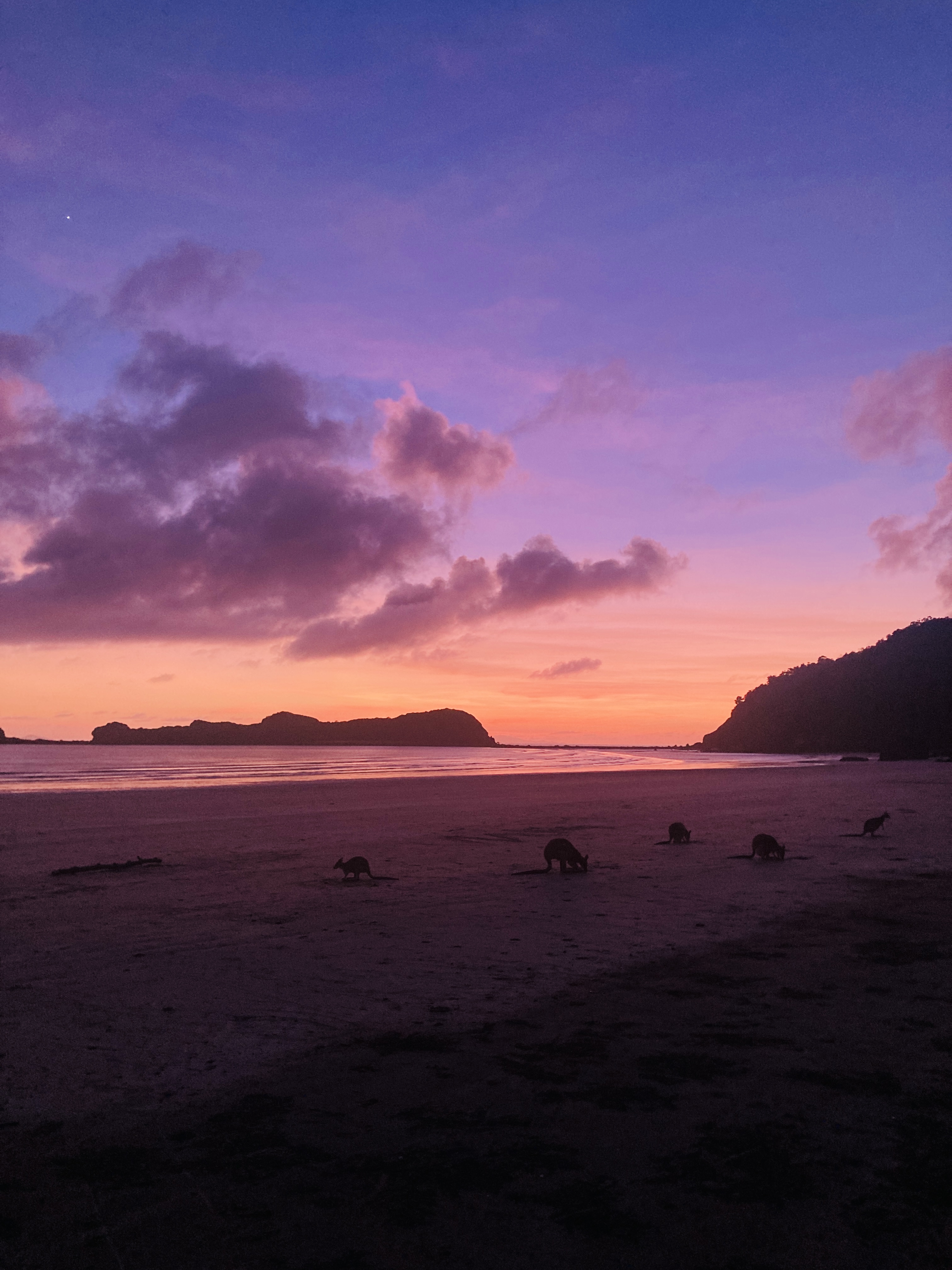
Cape Hillsborough is famous for the magical sunrise appearances of wallabies and kangaroos on the beach as they feast on kelp. We set our alarms early the next morning, and as we ventured to the beach, a park ranger welcomed us. As we approached the beach, the rustling in the bushes signaled the arrival of our first wild wallaby hopping through the underbrush. Although the morning was still quite dark, the park ranger adeptly guided everyone to ensure the safety of the kangaroos and wallabies.
As more people and animals assembled on the beach, the ranger explained that these creatures relied on the kelp to supplement their nutrition, in addition to their usual diet of greenery and seeds from the mangroves. We saw about 8 wallabies and 2 kangaroos on the beach. The ranger mentioned that more typically appeared, but some had relocated due to construction on a boardwalk in the national park. The ranger also informed us that the two kangaroos present on the beach had been hand-raised by humans (I think that they were rescued at a young age) and now roamed freely around Cape Hillsborough.
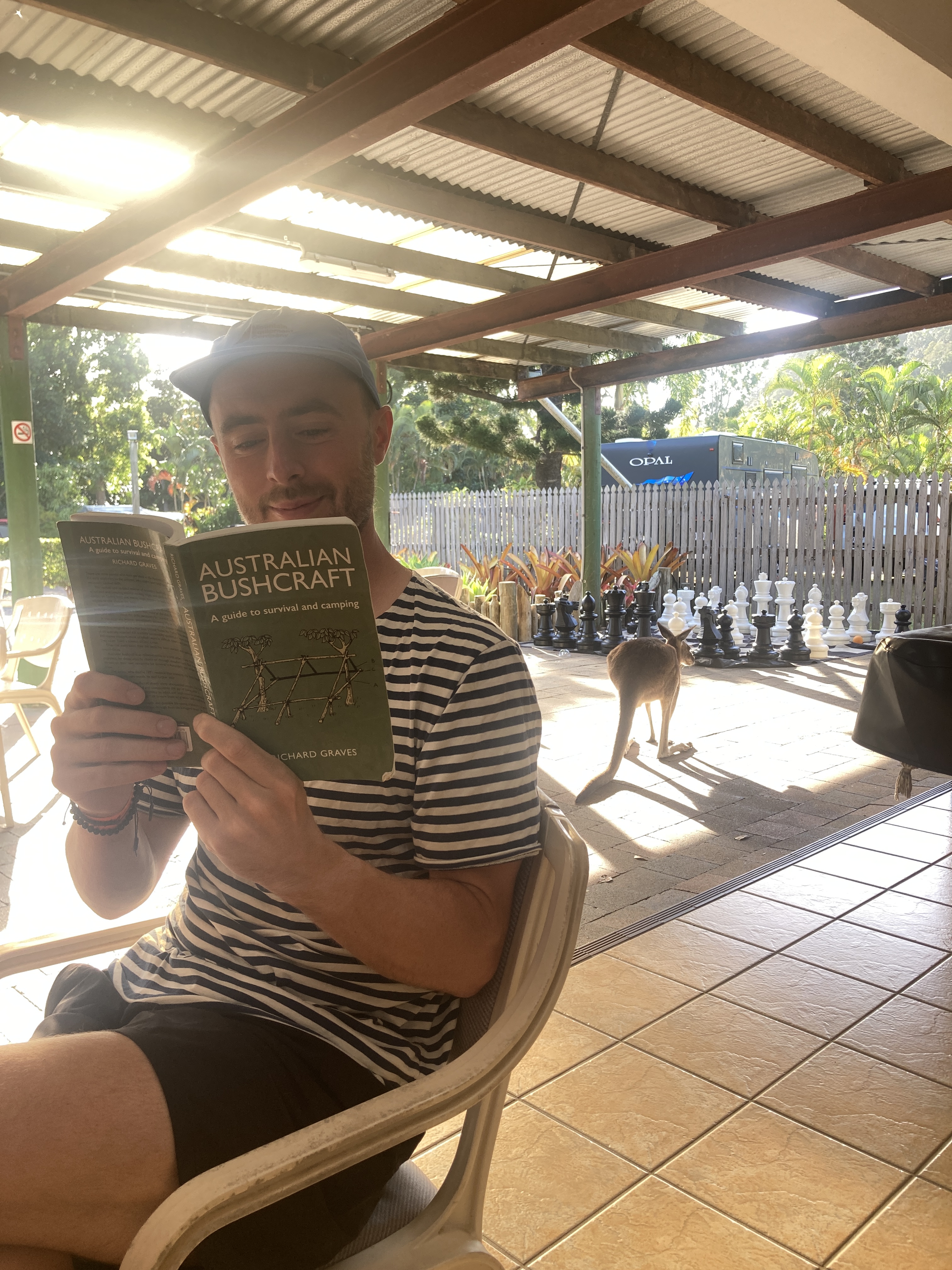
After the wildlife encounter, I tried to go back to sleep, while George headed upstairs to read in the outdoor lounge area. My sleep was disrupted half an hour later when George excitedly woke me to report that the two kangaroos had joined him and were playfully hopping around the outdoor lounge. We hurried upstairs to this special close encounter with the kangaroos and took some fantastic photos.
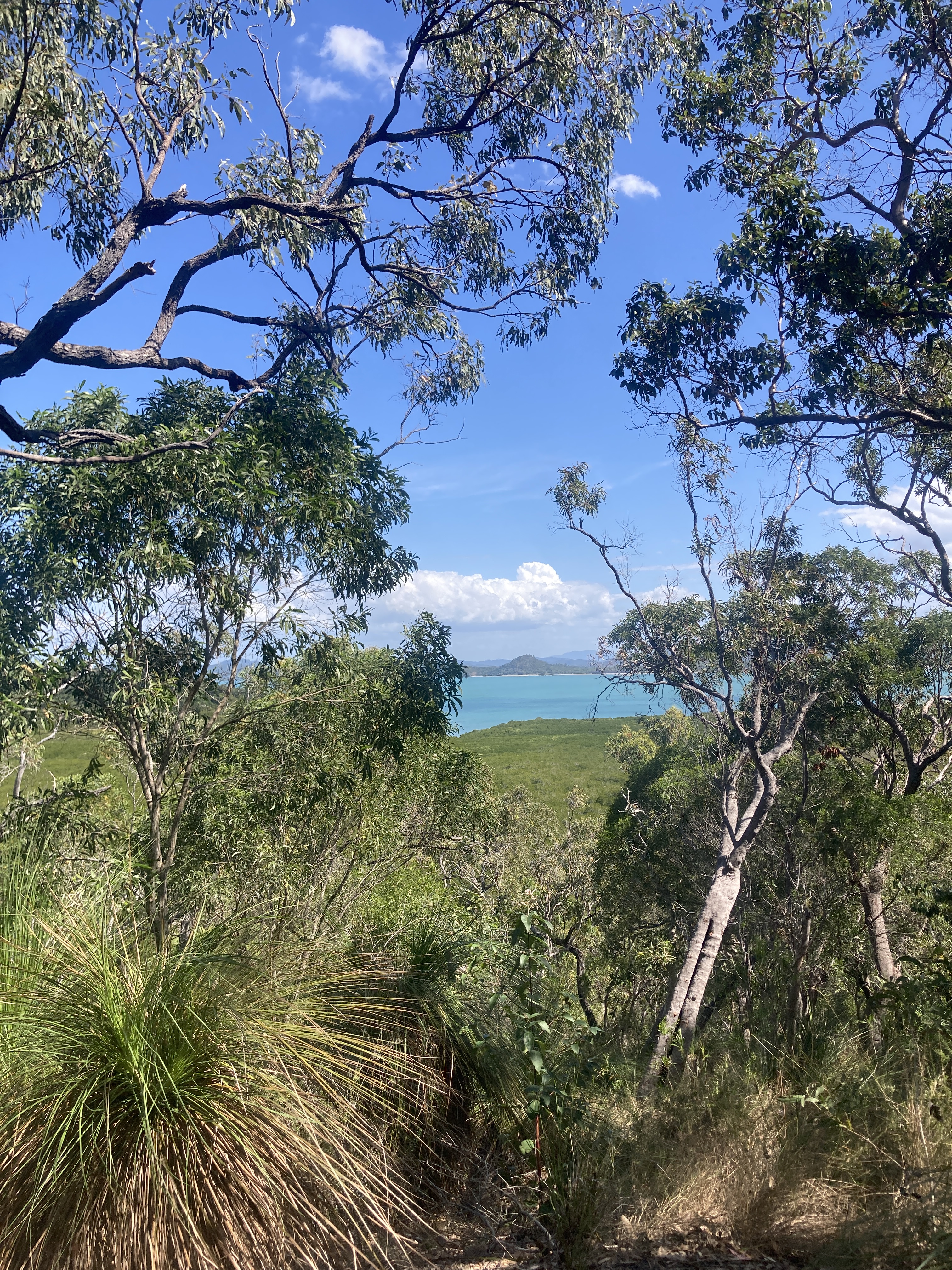
The remainder of our day at Cape Hillsborough was dedicated to exploring the park surrounding our campsite. This included a stroll on a boardwalk through the mangroves, and a hike over a hill leading to a secluded beach. A highlight of the hike was seeing a wild echidna, a type of marsupial. While we had seen echidnas before at a nature center, we had learned that they are typically nocturnal, making such sightings rare. Its appearance reminded us of a hedgehog and was very cute rustling away in the bushes.
Although we were set to depart the next morning for our next destination, we were determined to witness the kangaroos again since we had taken such a long journey to reach this unique spot. The second morning on the beach brought more tourists, but the magic of observing kangaroos and wallabies against the backdrop of the rising sun over the cape was just as stunning as the first time we saw it.
Our visit to Cape Hillsborough was spectacular, and I wholeheartedly recommend it as an essential stop for anyone journeying up the East Coast of Australia. Its stunning landscape, abundant wildlife, and proximity to the ocean offer a remarkable glimpse into this magical pocket of this region of the world.
 Where the Paved Road Ends
Leave a comment